
Wellbeing
Wellbeing Is Not a Programme It Is a Culture
Why human capability depends on the way work feels every day
By Helen Gormley · 16 September 2026 · 10 min read
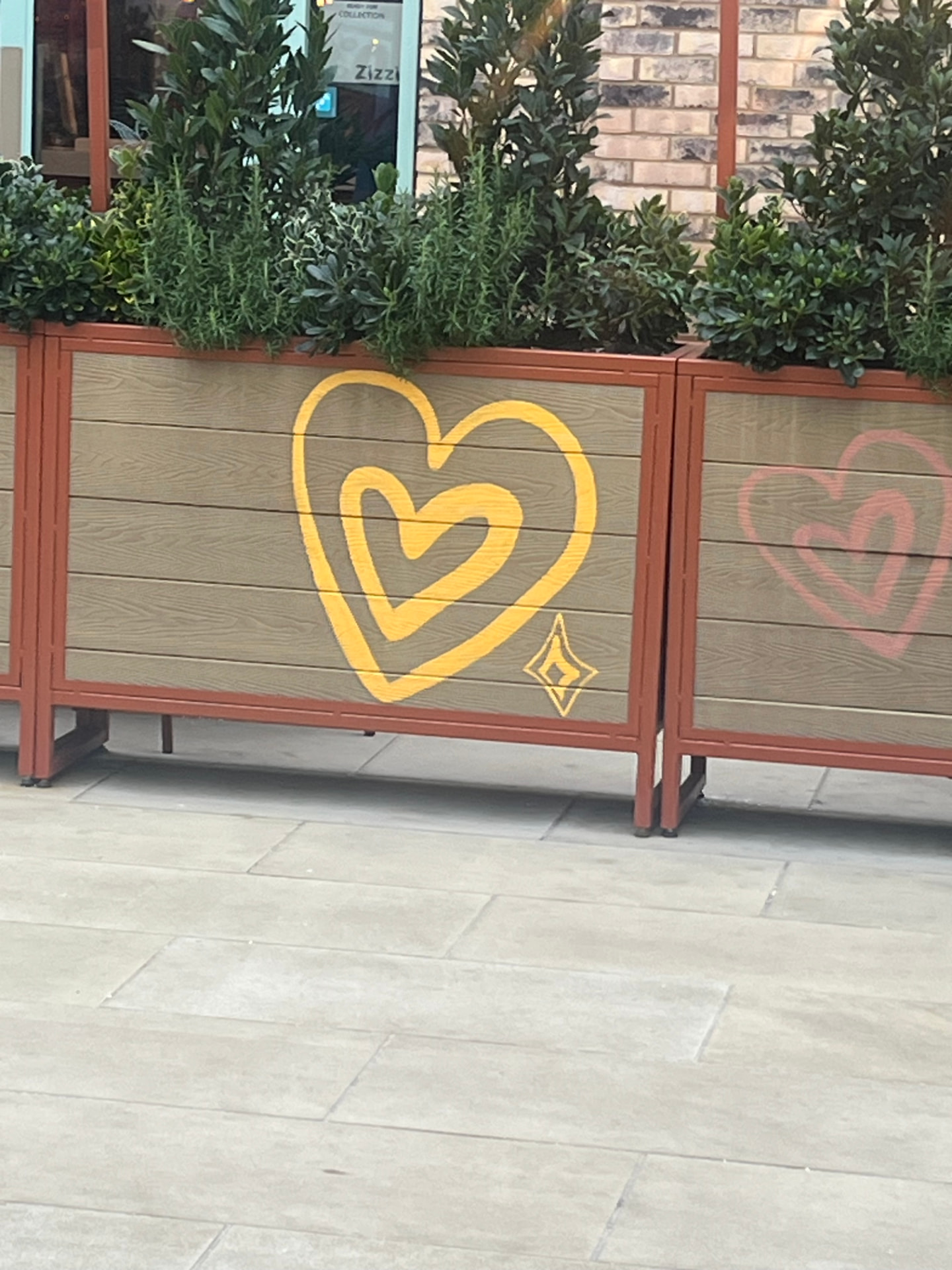
Found on the street: culture shows up in the small, everyday gestures people leave behind.
Workplace wellbeing is shaped by leadership behaviour, relationships, culture and everyday decisions — not simply by the programmes an organisation offers.
An organisation can offer a wellbeing programme and still create a culture that exhausts people.
That is the trust question at the centre of workplace wellbeing. What do we really mean when we say that people matter?
People do not experience wellbeing through a policy statement or a list of benefits. They experience it through workload, leadership behaviour, relationships and everyday decisions. They notice what happens when priorities collide. They notice whether it is safe to speak honestly. They notice whether rest is respected or quietly penalised.
A meditation session, resilience workshop or wellbeing week may offer real value. But none can compensate for constant urgency, unclear expectations or unsustainable demand. When the programme says one thing and the working environment says another, trust erodes.
Wellbeing is how work works
For years, workplace wellbeing has often been treated as a response to stress. It appears when people are already struggling and offers a chance to pause, cope or recover. That matters. It is also too narrow.
The more useful question is not simply, ‘How do we help people cope?’ It is, ‘What helps people flourish and do their best work?’
Flourishing is about more than feeling well or performing effectively. It includes our health, relationships, sense of meaning, character, purpose and material security. The Global Flourishing Study, involving more than 200,000 people across 22 countries, reflects a growing understanding that human flourishing is multidimensional, relational and shaped by the conditions in which we live and work.
For me, wellbeing is the art of human flourishing. It is having enough energy, connection and psychological space to contribute, learn and grow.
I hear one word repeatedly from people: flat. They are functioning. They are meeting deadlines. But their energy, joy and sense of possibility have reduced. The capability is still there. The conditions around it are making it harder to reach.
Human capability is the real issue
The world of work is changing quickly. Artificial intelligence, shifting roles, economic pressure and continuing uncertainty are changing what organisations ask of people.
Technical skills matter. But the capabilities that help people navigate change matter too: judgement, curiosity, adaptability, creativity, courage, self-awareness, connection and the ability to keep learning.
The World Economic Forum’s Future of Jobs Report 2025 points to rising demand for creative thinking, resilience, flexibility, agility, curiosity and lifelong learning. These are deeply human capabilities. They cannot be switched on by instruction. They grow when people have enough trust, energy and space to think.
A depleted person may still complete a task. A depleted team may still hit a deadline. But over time, overload narrows thinking. Curiosity reduces. People protect themselves, speak less honestly and take fewer thoughtful risks.
This is why wellbeing is not separate from performance. It is part of the conditions that make sustainable performance, learning and change possible.
A ME → WE → US view
ME
The individual experience includes energy, strengths, values, health, boundaries, confidence and purpose. It asks: Do I understand what helps me function well, and do I have permission to act on that knowledge?
WE
The relational experience includes trust, listening, communication, inclusion and psychological safety. It asks: Can we challenge, ask for help, learn from mistakes and stay connected when pressure rises?
US
The wider system includes workload, role design, technology, meetings, policies, reward and the behaviours leaders model. It asks: Does this organisation make wellbeing, learning and contribution possible in practice?
The three levels cannot be separated. Asking an individual to become more resilient has limited value when their team cannot speak honestly or the wider system continues to overload them.
Leadership creates the conditions
Culture is built through repeated choices.
Leaders influence the pace of work, what receives attention, how meetings feel, how change is communicated and whether people can say, ‘I do not know,’ ‘I disagree,’ or ‘I need support’ without fear.
This becomes even more important during change. People need clarity, but leaders will not always have certainty. They need direction, but they also need a voice. They need challenge, but they also need the space to think, question and learn.
The practical work of wellbeing is therefore not only about benefits. It is about priorities, permission and participation.
Where coaching fits
Coaching can help turn wellbeing from an initiative into an honest inquiry.
At the ME level, it can help someone reconnect with confidence, values and purpose. At the WE level, it can strengthen listening, communication and inclusive leadership. At the US level, recurring themes from coaching can reveal barriers such as overload, unclear priorities or low psychological safety.
Coaching should not be used to repair people so they can tolerate an unhealthy system. Its greater value lies in helping people and organisations see clearly, take responsibility and change how work happens.
Five questions for leaders
- 1.What does wellbeing feel like here on an ordinary working day?
- 2.Are people given enough space to think, learn and use good judgement?
- 3.Can people speak honestly about workload, uncertainty, mistakes and support?
- 4.Which of our everyday practices build human capability, and which ones quietly diminish it?
- 5.What is one decision we could change now to improve energy, trust and contribution?
What we need next
The future of workplace wellbeing is not another programme added to an already crowded calendar. It is a more honest conversation about the conditions people need to stay human, capable and connected while the world around them changes.
Programmes can start that conversation. Coaching can deepen it. Leaders must respond through the decisions they make about pace, priorities, participation and permission.
“Wellbeing is not something we offer people. It is something we create with them, every day.”